@Turios Lab we strive to push the limits of experimentation to evolve outcomes
@Turios Lab we strive to push the limits of experimentation to evolve outcomes
Our global AI teams comprise highly skilled data scientists and software engineers with deep expertise in applying advanced AI systems to complex business environments. We are building our forte in natural language processing, predictive modeling, and computer vision, enabling the design of end-to-end, domain-aware healthcare solutions tailored to Eye Care and Diabetes.
By integrating generative AI architectures, robotics, and Retrieval-Augmented Generation (RAG), we develop intelligent systems that combine reasoning, context awareness, and real-time knowledge retrieval. Our cross-domain approach—grounded in rigorous data engineering, statistical learning, and systems design—allows us to surface latent patterns, optimize decision pathways, and continuously improve performance. Through close collaboration and scientific rigor, we translate AI research into scalable, secure, and high-impact solutions that enable organizations to lead in rapidly evolving environments.
Our global AI teams comprise highly skilled data scientists and software engineers with deep expertise in applying advanced AI systems to complex business environments. We are building our forte in natural language processing, predictive modeling, and computer vision, enabling the design of end-to-end, domain-aware healthcare solutions tailored to Eye Care and Diabetes.
By integrating generative AI architectures, robotics, and Retrieval-Augmented Generation (RAG), we develop intelligent systems that combine reasoning, context awareness, and real-time knowledge retrieval. Our cross-domain approach—grounded in rigorous data engineering, statistical learning, and systems design—allows us to surface latent patterns, optimize decision pathways, and continuously improve performance. Through close collaboration and scientific rigor, we translate AI research into scalable, secure, and high-impact solutions that enable organizations to lead in rapidly evolving environments.
Our global AI teams comprise highly skilled data scientists and software engineers with deep expertise in applying advanced AI systems to complex business environments. We are building our forte in natural language processing, predictive modeling, and computer vision, enabling the design of end-to-end, domain-aware healthcare solutions tailored to Eye Care and Diabetes.
By integrating generative AI architectures, robotics, and Retrieval-Augmented Generation (RAG), we develop intelligent systems that combine reasoning, context awareness, and real-time knowledge retrieval. Our cross-domain approach—grounded in rigorous data engineering, statistical learning, and systems design—allows us to surface latent patterns, optimize decision pathways, and continuously improve performance. Through close collaboration and scientific rigor, we translate AI research into scalable, secure, and high-impact solutions that enable organizations to lead in rapidly evolving environments.
Our Data and AI Competency

Data Collection and Preprocessing
Data Collection and Preprocessing
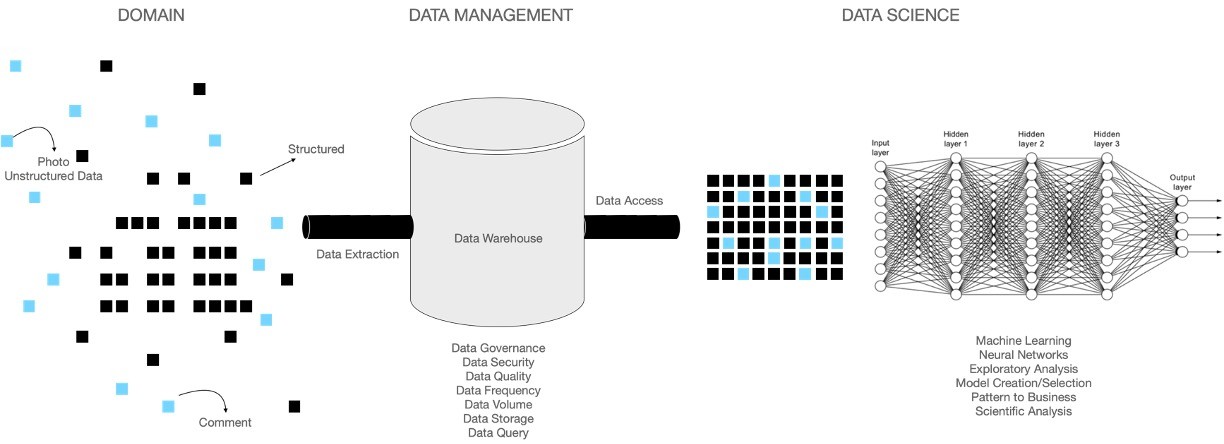
We start with careful planning, collaboration, and adherence to standards and regulations. Then, we ensure data integration from multiple sources, quality management, and maintaining robust data governance practices which normally ensures a solid foundation for AI applications. Then, we set up an efficient Data Warehouse.
We start with careful planning, collaboration, and adherence to standards and regulations. Then, we ensure data integration from multiple sources, quality management, and maintaining robust data governance practices which normally ensures a solid foundation for AI applications. Then, we set up an efficient Data Warehouse.

AI models - Implementation and Training
AI models - Implementation and Training
We proceed with model selection and development, categorizing it under different classifications. The model is then trained using relevant datasets, and upon successful evaluation, it advances to the deployment stage. Based on the specific use case, Cognisian experts collaborate with stakeholders to deploy the model for testing.
We proceed with model selection and development, categorizing it under different classifications. The model is then trained using relevant datasets, and upon successful evaluation, it advances to the deployment stage. Based on the specific use case, Cognisian experts collaborate with stakeholders to deploy the model for testing.

Organizational AI, Security, Ethics and Regulations
Organizational AI, Security, Ethics and Regulations
A secure, robust platform with comprehensive governance policies tailored to your organization as either an on-premises infrastructure or cloud-based solution. We will ensure compliance with HIPAA in the US, GDPR in the EU, and other relevant regulations in different countries, promoting ethical use of AI.
A secure, robust platform with comprehensive governance policies tailored to your organization as either an on-premises infrastructure or cloud-based solution. We will ensure compliance with HIPAA in the US, GDPR in the EU, and other relevant regulations in different countries, promoting the ethical use of AI.
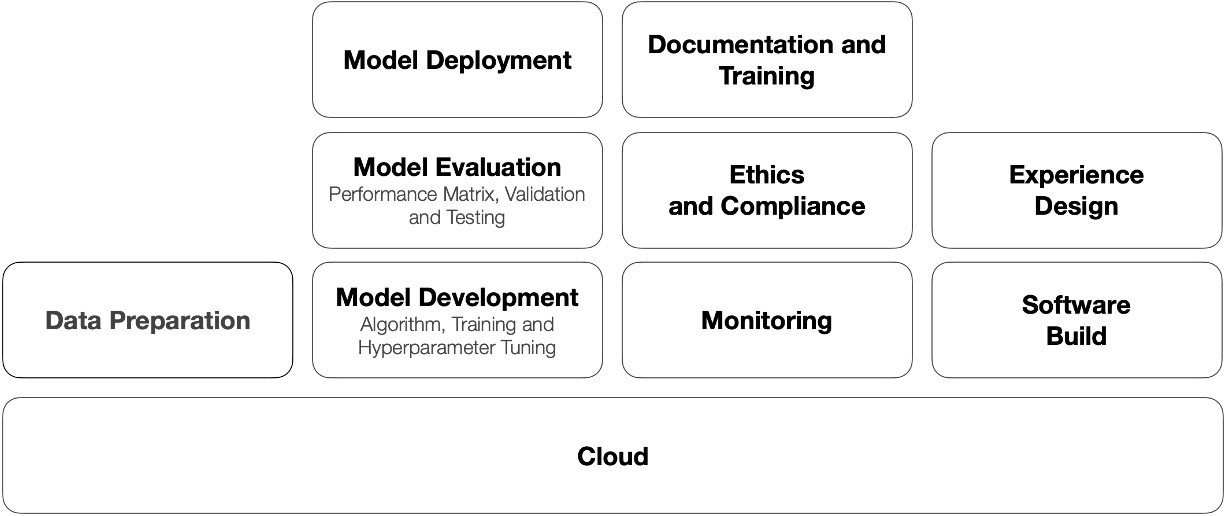
Systematic AI build
Systematic AI build

We work in many areas of AI
Data Collection and Pre-processing
Data Gathering: Collecting raw data from various sources such as databases, sensors, social media, and online platforms.
Data Cleaning: Removing noise, correcting errors, and handling missing values to ensure data quality.
Data Transformation: Normalizing, scaling, and transforming data into formats suitable for analysis.
Data Integration: Combining data from different sources to create a unified dataset.
Natural Language Processing
Text Processing: Tokenization, stemming, and lemmatization to preprocess text data.
Feature Extraction: Using techniques like TF-IDF, word embeddings (e.g., Word2Vec, GloVe), and BERT for representing text data.
Language Models: Implementing and fine-tuning pre-trained language models for specific applications.
Sentiment Analysis: Analyzing text to determine sentiment and emotions.
Machine Learning and Deep Learning
Algorithm Selection: Choosing the right algorithms for specific tasks (regression, classification, clustering).
Model Training: Training large datasets to learn patterns to predict.
Model Evaluation: Validating using metrics like accuracy, precision, recall, and F1-score for performance.
Model Optimization: Tuning hyper parameters and refining models to improve accuracy and efficiency.
Neural Networks: Designing and training models, including CNNs, RNNs, and GANs for complex tasks
Computer Vision
Image Preprocessing: Resizing, normalization, and augmentation of images to prepare them for analysis.
Feature Extraction: Using edge detection, SIFT, and HOG for extracting features from images.
Deep Learning Models: Implementing CNNs and transfer learning with pre-trained models (e.g., VGG, ResNet) for image classification and object detection.
Image Segmentation: Using techniques like U-Net and Mask R-CNN for segmenting images into meaningful parts.
Robotics and Automation
Sensor Integration: Using sensors for perception, including cameras, LiDAR, and ultrasonic sensors.
Control Systems: Implementing control algorithms for precise movements and actions of robots.
Path Planning: Using algorithms like A* and Dijkstra for navigating and planning optimal paths.
Automation Frameworks: Utilizing frameworks like ROS (Robot Operating System) for developing robotic applications.
Predictive Analytics
Time Series Analysis: Using ARIMA, LSTM, and other models for forecasting future trends based on historical data.
Anomaly Detection: Implementing techniques to detect outliers and unusual patterns in data.
Scenario Simulation: Using simulation models to predict and analyze various business scenarios.
Speech Recognition
Audio Processing: Preprocessing audio signals using techniques like noise reduction and feature extraction (e.g., MFCCs).
Speech-to-Text Models: Implementing models like DeepSpeech and WaveNet for converting speech to text.
Voice Assistants: Developing intelligent voice-controlled applications using NLP and speech synthesis
AI in Cyber Security
Threat Detection Models: Implementing machine learning models to detect and respond to security threats in real-time.
Behavior Analysis: Using AI to analyze user behavior and detect anomalies indicating potential security breaches.
Encryption and Authentication: Developing AI-based encryption methods and multi-factor authentication systems.
Ethics and Compliance
Bias Detection: Implementing processes to identify and mitigate biases in AI models.
Regulatory Compliance: Ensuring that AI solutions comply with relevant regulations and standards (e.g., GDPR, HIPAA).
Transparency and Explainability: Developing explainable AI models to provide insights into decision-making processes.
Data Collection and Pre-processing
Data Gathering: Collecting raw data from various sources such as databases, sensors, social media, and online platforms.
Data Cleaning: Removing noise, correcting errors, and handling missing values to ensure data quality.
Data Transformation: Normalizing, scaling, and transforming data into formats suitable for analysis.
Data Integration: Combining data from different sources to create a unified dataset.
Natural Language Processing
Text Processing: Tokenization, stemming, and lemmatization to preprocess text data.
Feature Extraction: Using techniques like TF-IDF, word embeddings (e.g., Word2Vec, GloVe), and BERT for representing text data.
Language Models: Implementing and fine-tuning pre-trained language models for specific applications.
Sentiment Analysis: Analyzing text to determine sentiment and emotions.
Machine Learning and Deep Learning
Algorithm Selection: Choosing the right algorithms for specific tasks (regression, classification, clustering).
Model Training: Training large datasets to learn patterns to predict.
Model Evaluation: Validating using metrics like accuracy, precision, recall, and F1-score for performance.
Model Optimization: Tuning hyper parameters and refining models to improve accuracy and efficiency.
Neural Networks: Designing and training models, including CNNs, RNNs, and GANs for complex tasks
Computer Vision
Image Preprocessing: Resizing, normalization, and augmentation of images to prepare them for analysis.
Feature Extraction: Using edge detection, SIFT, and HOG for extracting features from images.
Deep Learning Models: Implementing CNNs and transfer learning with pre-trained models (e.g., VGG, ResNet) for image classification and object detection.
Image Segmentation: Using techniques like U-Net and Mask R-CNN for segmenting images into meaningful parts.
Robotics and Automation
Sensor Integration: Using sensors for perception, including cameras, LiDAR, and ultrasonic sensors.
Control Systems: Implementing control algorithms for precise movements and actions of robots.
Path Planning: Using algorithms like A* and Dijkstra for navigating and planning optimal paths.
Automation Frameworks: Utilizing frameworks like ROS (Robot Operating System) for developing robotic applications.
Predictive Analytics
Time Series Analysis: Using ARIMA, LSTM, and other models for forecasting future trends based on historical data.
Anomaly Detection: Implementing techniques to detect outliers and unusual patterns in data.
Scenario Simulation: Using simulation models to predict and analyze various business scenarios.
Speech Recognition
Audio Processing: Preprocessing audio signals using techniques like noise reduction and feature extraction (e.g., MFCCs).
Speech-to-Text Models: Implementing models like DeepSpeech and WaveNet for converting speech to text.
Voice Assistants: Developing intelligent voice-controlled applications using NLP and speech synthesis
AI in Cyber Security
Threat Detection Models: Implementing machine learning models to detect and respond to security threats in real-time.
Behavior Analysis: Using AI to analyze user behavior and detect anomalies indicating potential security breaches.
Encryption and Authentication: Developing AI-based encryption methods and multi-factor authentication systems.
Ethics and Compliance
Bias Detection: Implementing processes to identify and mitigate biases in AI models.
Regulatory Compliance: Ensuring that AI solutions comply with relevant regulations and standards (e.g., GDPR, HIPAA).
Transparency and Explainability: Developing explainable AI models to provide insights into decision-making processes.
Data Collection and Pre-processing
Data Gathering: Collecting raw data from various sources such as databases, sensors, social media, and online platforms.
Data Cleaning: Removing noise, correcting errors, and handling missing values to ensure data quality.
Data Transformation: Normalizing, scaling, and transforming data into formats suitable for analysis.
Data Integration: Combining data from different sources to create a unified dataset.
Natural Language Processing
Text Processing: Tokenization, stemming, and lemmatization to preprocess text data.
Feature Extraction: Using techniques like TF-IDF, word embeddings (e.g., Word2Vec, GloVe), and BERT for representing text data.
Language Models: Implementing and fine-tuning pre-trained language models for specific applications.
Sentiment Analysis: Analyzing text to determine sentiment and emotions.
Machine Learning and Deep Learning
Algorithm Selection: Choosing the right algorithms for specific tasks (regression, classification, clustering).
Model Training: Training large datasets to learn patterns to predict.
Model Evaluation: Validating using metrics like accuracy, precision, recall, and F1-score for performance.
Model Optimization: Tuning hyper parameters and refining models to improve accuracy and efficiency.
Neural Networks: Designing and training models, including CNNs, RNNs, and GANs for complex tasks
Computer Vision
Image Preprocessing: Resizing, normalization, and augmentation of images to prepare them for analysis.
Feature Extraction: Using edge detection, SIFT, and HOG for extracting features from images.
Deep Learning Models: Implementing CNNs and transfer learning with pre-trained models (e.g., VGG, ResNet) for image classification and object detection.
Image Segmentation: Using techniques like U-Net and Mask R-CNN for segmenting images into meaningful parts.
Robotics and Automation
Sensor Integration: Using sensors for perception, including cameras, LiDAR, and ultrasonic sensors.
Control Systems: Implementing control algorithms for precise movements and actions of robots.
Path Planning: Using algorithms like A* and Dijkstra for navigating and planning optimal paths.
Automation Frameworks: Utilizing frameworks like ROS (Robot Operating System) for developing robotic applications.
Predictive Analytics
Time Series Analysis: Using ARIMA, LSTM, and other models for forecasting future trends based on historical data.
Anomaly Detection: Implementing techniques to detect outliers and unusual patterns in data.
Scenario Simulation: Using simulation models to predict and analyze various business scenarios.
Speech Recognition
Audio Processing: Preprocessing audio signals using techniques like noise reduction and feature extraction (e.g., MFCCs).
Speech-to-Text Models: Implementing models like DeepSpeech and WaveNet for converting speech to text.
Voice Assistants: Developing intelligent voice-controlled applications using NLP and speech synthesis
AI in Cyber Security
Threat Detection Models: Implementing machine learning models to detect and respond to security threats in real-time.
Behavior Analysis: Using AI to analyze user behavior and detect anomalies indicating potential security breaches.
Encryption and Authentication: Developing AI-based encryption methods and multi-factor authentication systems.
Ethics and Compliance
Bias Detection: Implementing processes to identify and mitigate biases in AI models.
Regulatory Compliance: Ensuring that AI solutions comply with relevant regulations and standards (e.g., GDPR, HIPAA).
Transparency and Explainability: Developing explainable AI models to provide insights into decision-making processes.
Data Collection and Pre-processing
Data Gathering: Collecting raw data from various sources such as databases, sensors, social media, and online platforms.
Data Cleaning: Removing noise, correcting errors, and handling missing values to ensure data quality.
Data Transformation: Normalizing, scaling, and transforming data into formats suitable for analysis.
Data Integration: Combining data from different sources to create a unified dataset.
Natural Language Processing
Text Processing: Tokenization, stemming, and lemmatization to preprocess text data.
Feature Extraction: Using techniques like TF-IDF, word embeddings (e.g., Word2Vec, GloVe), and BERT for representing text data.
Language Models: Implementing and fine-tuning pre-trained language models for specific applications.
Sentiment Analysis: Analyzing text to determine sentiment and emotions.
Machine Learning and Deep Learning
Algorithm Selection: Choosing the right algorithms for specific tasks (regression, classification, clustering).
Model Training: Training large datasets to learn patterns to predict.
Model Evaluation: Validating using metrics like accuracy, precision, recall, and F1-score for performance.
Model Optimization: Tuning hyper parameters and refining models to improve accuracy and efficiency.
Neural Networks: Designing and training models, including CNNs, RNNs, and GANs for complex tasks
Computer Vision
Image Preprocessing: Resizing, normalization, and augmentation of images to prepare them for analysis.
Feature Extraction: Using edge detection, SIFT, and HOG for extracting features from images.
Deep Learning Models: Implementing CNNs and transfer learning with pre-trained models (e.g., VGG, ResNet) for image classification and object detection.
Image Segmentation: Using techniques like U-Net and Mask R-CNN for segmenting images into meaningful parts.
Robotics and Automation
Sensor Integration: Using sensors for perception, including cameras, LiDAR, and ultrasonic sensors.
Control Systems: Implementing control algorithms for precise movements and actions of robots.
Path Planning: Using algorithms like A* and Dijkstra for navigating and planning optimal paths.
Automation Frameworks: Utilizing frameworks like ROS (Robot Operating System) for developing robotic applications.
Predictive Analytics
Time Series Analysis: Using ARIMA, LSTM, and other models for forecasting future trends based on historical data.
Anomaly Detection: Implementing techniques to detect outliers and unusual patterns in data.
Scenario Simulation: Using simulation models to predict and analyze various business scenarios.
Speech Recognition
Audio Processing: Preprocessing audio signals using techniques like noise reduction and feature extraction (e.g., MFCCs).
Speech-to-Text Models: Implementing models like DeepSpeech and WaveNet for converting speech to text.
Voice Assistants: Developing intelligent voice-controlled applications using NLP and speech synthesis
AI in Cyber Security
Threat Detection Models: Implementing machine learning models to detect and respond to security threats in real-time.
Behavior Analysis: Using AI to analyze user behavior and detect anomalies indicating potential security breaches.
Encryption and Authentication: Developing AI-based encryption methods and multi-factor authentication systems.
Ethics and Compliance
Bias Detection: Implementing processes to identify and mitigate biases in AI models.
Regulatory Compliance: Ensuring that AI solutions comply with relevant regulations and standards (e.g., GDPR, HIPAA).
Transparency and Explainability: Developing explainable AI models to provide insights into decision-making processes.
Data Collection and Pre-processing
Data Gathering: Collecting raw data from various sources such as databases, sensors, social media, and online platforms.
Data Cleaning: Removing noise, correcting errors, and handling missing values to ensure data quality.
Data Transformation: Normalizing, scaling, and transforming data into formats suitable for analysis.
Data Integration: Combining data from different sources to create a unified dataset.
Natural Language Processing
Text Processing: Tokenization, stemming, and lemmatization to preprocess text data.
Feature Extraction: Using techniques like TF-IDF, word embeddings (e.g., Word2Vec, GloVe), and BERT for representing text data.
Language Models: Implementing and fine-tuning pre-trained language models for specific applications.
Sentiment Analysis: Analyzing text to determine sentiment and emotions.
Machine Learning and Deep Learning
Algorithm Selection: Choosing the right algorithms for specific tasks (regression, classification, clustering).
Model Training: Training large datasets to learn patterns and predict.
Model Evaluation: Validating using metrics like accuracy, precision, recall, and F1-score for performance.
Model Optimization: Tuning hyperparameters and refining models to improve accuracy and efficiency.
Neural Networks: Designing and training models, including CNNs, RNNs, and GANs for complex tasks.
Computer Vision
Image Preprocessing: Resizing, normalization, and augmentation of images to prepare them for analysis.
Feature Extraction: Using edge detection, SIFT, and HOG for extracting features from images.
Deep Learning Models: Implementing CNNs and transfer learning with pre-trained models (e.g., VGG, ResNet) for image classification and object detection.
Image Segmentation: Using techniques like U-Net and Mask R-CNN for segmenting images into meaningful parts.
Computer Vision
Image Preprocessing: Resizing, normalization, and augmentation of images to prepare them for analysis.
Feature Extraction: Using edge detection, SIFT, and HOG for extracting features from images.
Deep Learning Models: Implementing CNNs and transfer learning with pre-trained models (e.g., VGG, ResNet) for image classification and object detection.
Image Segmentation: Using techniques like U-Net and Mask R-CNN for segmenting images into meaningful parts.
Robotics and Automation
Sensor Integration: Using sensors for perception, including cameras, LiDAR, and ultrasonic sensors.
Control Systems: Implementing control algorithms for precise movements and actions of robots.
Path Planning: Using algorithms like A* and Dijkstra for navigating and planning optimal paths.
Automation Frameworks: Utilizing frameworks like ROS (Robot Operating System) for developing robotic applications.
Predictive Analytics
Time Series Analysis: Using ARIMA, LSTM, and other models for forecasting future trends based on historical data.
Anomaly Detection: Implementing techniques to detect outliers and unusual patterns in data.
Scenario Simulation: Using simulation models to predict and analyze various business scenarios.
Speech Recognition
Audio Processing: Preprocessing audio signals using techniques like noise reduction and feature extraction (e.g., MFCCs).
Speech-to-Text Models: Implementing models like DeepSpeech and WaveNet for converting speech to text.
Voice Assistants: Developing intelligent voice-controlled applications using NLP and speech synthesis.
AI in Cyber Security
Threat Detection Models: Implementing machine learning models to detect and respond to security threats in real-time.
Behavior Analysis: Using AI to analyze user behavior and detect anomalies indicating potential security breaches.
Encryption and Authentication: Developing AI-based encryption methods and multi-factor authentication systems.
Ethics and Compliance
Bias Detection: Implementing processes to identify and mitigate biases in AI models.
Regulatory Compliance: Ensuring that AI solutions comply with relevant regulations and standards (e.g., GDPR, HIPAA).
Transparency and Explainability: Developing explainable AI models to provide insights into decision-making processes.
We work in many areas of AI
Data Collection and Pre-processing
Data Gathering: Collecting raw data from various sources such as databases, sensors, social media, and online platforms.
Data Cleaning: Removing noise, correcting errors, and handling missing values to ensure data quality.
Data Transformation: Normalizing, scaling, and transforming data into formats suitable for analysis.
Data Integration: Combining data from different sources to create a unified dataset.
Natural Language Processing
Text Processing: Tokenization, stemming, and lemmatization to preprocess text data.
Feature Extraction: Using techniques like TF-IDF, word embeddings (e.g., Word2Vec, GloVe), and BERT for representing text data.
Language Models: Implementing and fine-tuning pre-trained language models for specific applications.
Sentiment Analysis: Analyzing text to determine sentiment and emotions.
Machine Learning and Deep Learning
Algorithm Selection: Choosing the right algorithms for specific tasks (regression, classification, clustering).
Model Training: Training large datasets to learn patterns to predict.
Model Evaluation: Validating using metrics like accuracy, precision, recall, and F1-score for performance.
Model Optimization: Tuning hyper parameters and refining models to improve accuracy and efficiency.
Neural Networks: Designing and training models, including CNNs, RNNs, and GANs for complex tasks
Computer Vision
Image Preprocessing: Resizing, normalization, and augmentation of images to prepare them for analysis.
Feature Extraction: Using edge detection, SIFT, and HOG for extracting features from images.
Deep Learning Models: Implementing CNNs and transfer learning with pre-trained models (e.g., VGG, ResNet) for image classification and object detection.
Image Segmentation: Using techniques like U-Net and Mask R-CNN for segmenting images into meaningful parts.
Robotics and Automation
Sensor Integration: Using sensors for perception, including cameras, LiDAR, and ultrasonic sensors.
Control Systems: Implementing control algorithms for precise movements and actions of robots.
Path Planning: Using algorithms like A* and Dijkstra for navigating and planning optimal paths.
Automation Frameworks: Utilizing frameworks like ROS (Robot Operating System) for developing robotic applications.
Predictive Analytics
Time Series Analysis: Using ARIMA, LSTM, and other models for forecasting future trends based on historical data.
Anomaly Detection: Implementing techniques to detect outliers and unusual patterns in data.
Scenario Simulation: Using simulation models to predict and analyze various business scenarios.
Speech Recognition
Audio Processing: Preprocessing audio signals using techniques like noise reduction and feature extraction (e.g., MFCCs).
Speech-to-Text Models: Implementing models like DeepSpeech and WaveNet for converting speech to text.
Voice Assistants: Developing intelligent voice-controlled applications using NLP and speech synthesis
AI in Cyber Security
Threat Detection Models: Implementing machine learning models to detect and respond to security threats in real-time.
Behavior Analysis: Using AI to analyze user behavior and detect anomalies indicating potential security breaches.
Encryption and Authentication: Developing AI-based encryption methods and multi-factor authentication systems.
Ethics and Compliance
Bias Detection: Implementing processes to identify and mitigate biases in AI models.
Regulatory Compliance: Ensuring that AI solutions comply with relevant regulations and standards (e.g., GDPR, HIPAA).
Transparency and Explainability: Developing explainable AI models to provide insights into decision-making processes.
Data Collection and Pre-processing
Data Gathering: Collecting raw data from various sources such as databases, sensors, social media, and online platforms.
Data Cleaning: Removing noise, correcting errors, and handling missing values to ensure data quality.
Data Transformation: Normalizing, scaling, and transforming data into formats suitable for analysis.
Data Integration: Combining data from different sources to create a unified dataset.
Natural Language Processing
Text Processing: Tokenization, stemming, and lemmatization to preprocess text data.
Feature Extraction: Using techniques like TF-IDF, word embeddings (e.g., Word2Vec, GloVe), and BERT for representing text data.
Language Models: Implementing and fine-tuning pre-trained language models for specific applications.
Sentiment Analysis: Analyzing text to determine sentiment and emotions.
Machine Learning and Deep Learning
Algorithm Selection: Choosing the right algorithms for specific tasks (regression, classification, clustering).
Model Training: Training large datasets to learn patterns to predict.
Model Evaluation: Validating using metrics like accuracy, precision, recall, and F1-score for performance.
Model Optimization: Tuning hyper parameters and refining models to improve accuracy and efficiency.
Neural Networks: Designing and training models, including CNNs, RNNs, and GANs for complex tasks
Computer Vision
Image Preprocessing: Resizing, normalization, and augmentation of images to prepare them for analysis.
Feature Extraction: Using edge detection, SIFT, and HOG for extracting features from images.
Deep Learning Models: Implementing CNNs and transfer learning with pre-trained models (e.g., VGG, ResNet) for image classification and object detection.
Image Segmentation: Using techniques like U-Net and Mask R-CNN for segmenting images into meaningful parts.
Robotics and Automation
Sensor Integration: Using sensors for perception, including cameras, LiDAR, and ultrasonic sensors.
Control Systems: Implementing control algorithms for precise movements and actions of robots.
Path Planning: Using algorithms like A* and Dijkstra for navigating and planning optimal paths.
Automation Frameworks: Utilizing frameworks like ROS (Robot Operating System) for developing robotic applications.
Predictive Analytics
Time Series Analysis: Using ARIMA, LSTM, and other models for forecasting future trends based on historical data.
Anomaly Detection: Implementing techniques to detect outliers and unusual patterns in data.
Scenario Simulation: Using simulation models to predict and analyze various business scenarios.
Speech Recognition
Audio Processing: Preprocessing audio signals using techniques like noise reduction and feature extraction (e.g., MFCCs).
Speech-to-Text Models: Implementing models like DeepSpeech and WaveNet for converting speech to text.
Voice Assistants: Developing intelligent voice-controlled applications using NLP and speech synthesis
AI in Cyber Security
Threat Detection Models: Implementing machine learning models to detect and respond to security threats in real-time.
Behavior Analysis: Using AI to analyze user behavior and detect anomalies indicating potential security breaches.
Encryption and Authentication: Developing AI-based encryption methods and multi-factor authentication systems.
Ethics and Compliance
Bias Detection: Implementing processes to identify and mitigate biases in AI models.
Regulatory Compliance: Ensuring that AI solutions comply with relevant regulations and standards (e.g., GDPR, HIPAA).
Transparency and Explainability: Developing explainable AI models to provide insights into decision-making processes.
Data Collection and Pre-processing
Data Gathering: Collecting raw data from various sources such as databases, sensors, social media, and online platforms.
Data Cleaning: Removing noise, correcting errors, and handling missing values to ensure data quality.
Data Transformation: Normalizing, scaling, and transforming data into formats suitable for analysis.
Data Integration: Combining data from different sources to create a unified dataset.
Natural Language Processing
Text Processing: Tokenization, stemming, and lemmatization to preprocess text data.
Feature Extraction: Using techniques like TF-IDF, word embeddings (e.g., Word2Vec, GloVe), and BERT for representing text data.
Language Models: Implementing and fine-tuning pre-trained language models for specific applications.
Sentiment Analysis: Analyzing text to determine sentiment and emotions.
Machine Learning and Deep Learning
Algorithm Selection: Choosing the right algorithms for specific tasks (regression, classification, clustering).
Model Training: Training large datasets to learn patterns to predict.
Model Evaluation: Validating using metrics like accuracy, precision, recall, and F1-score for performance.
Model Optimization: Tuning hyper parameters and refining models to improve accuracy and efficiency.
Neural Networks: Designing and training models, including CNNs, RNNs, and GANs for complex tasks
Computer Vision
Image Preprocessing: Resizing, normalization, and augmentation of images to prepare them for analysis.
Feature Extraction: Using edge detection, SIFT, and HOG for extracting features from images.
Deep Learning Models: Implementing CNNs and transfer learning with pre-trained models (e.g., VGG, ResNet) for image classification and object detection.
Image Segmentation: Using techniques like U-Net and Mask R-CNN for segmenting images into meaningful parts.
Robotics and Automation
Sensor Integration: Using sensors for perception, including cameras, LiDAR, and ultrasonic sensors.
Control Systems: Implementing control algorithms for precise movements and actions of robots.
Path Planning: Using algorithms like A* and Dijkstra for navigating and planning optimal paths.
Automation Frameworks: Utilizing frameworks like ROS (Robot Operating System) for developing robotic applications.
Predictive Analytics
Time Series Analysis: Using ARIMA, LSTM, and other models for forecasting future trends based on historical data.
Anomaly Detection: Implementing techniques to detect outliers and unusual patterns in data.
Scenario Simulation: Using simulation models to predict and analyze various business scenarios.
Speech Recognition
Audio Processing: Preprocessing audio signals using techniques like noise reduction and feature extraction (e.g., MFCCs).
Speech-to-Text Models: Implementing models like DeepSpeech and WaveNet for converting speech to text.
Voice Assistants: Developing intelligent voice-controlled applications using NLP and speech synthesis
AI in Cyber Security
Threat Detection Models: Implementing machine learning models to detect and respond to security threats in real-time.
Behavior Analysis: Using AI to analyze user behavior and detect anomalies indicating potential security breaches.
Encryption and Authentication: Developing AI-based encryption methods and multi-factor authentication systems.
Ethics and Compliance
Bias Detection: Implementing processes to identify and mitigate biases in AI models.
Regulatory Compliance: Ensuring that AI solutions comply with relevant regulations and standards (e.g., GDPR, HIPAA).
Transparency and Explainability: Developing explainable AI models to provide insights into decision-making processes.
Data Collection and Pre-processing
Data Gathering: Collecting raw data from various sources such as databases, sensors, social media, and online platforms.
Data Cleaning: Removing noise, correcting errors, and handling missing values to ensure data quality.
Data Transformation: Normalizing, scaling, and transforming data into formats suitable for analysis.
Data Integration: Combining data from different sources to create a unified dataset.
Natural Language Processing
Text Processing: Tokenization, stemming, and lemmatization to preprocess text data.
Feature Extraction: Using techniques like TF-IDF, word embeddings (e.g., Word2Vec, GloVe), and BERT for representing text data.
Language Models: Implementing and fine-tuning pre-trained language models for specific applications.
Sentiment Analysis: Analyzing text to determine sentiment and emotions.
Machine Learning and Deep Learning
Algorithm Selection: Choosing the right algorithms for specific tasks (regression, classification, clustering).
Model Training: Training large datasets to learn patterns to predict.
Model Evaluation: Validating using metrics like accuracy, precision, recall, and F1-score for performance.
Model Optimization: Tuning hyper parameters and refining models to improve accuracy and efficiency.
Neural Networks: Designing and training models, including CNNs, RNNs, and GANs for complex tasks
Computer Vision
Image Preprocessing: Resizing, normalization, and augmentation of images to prepare them for analysis.
Feature Extraction: Using edge detection, SIFT, and HOG for extracting features from images.
Deep Learning Models: Implementing CNNs and transfer learning with pre-trained models (e.g., VGG, ResNet) for image classification and object detection.
Image Segmentation: Using techniques like U-Net and Mask R-CNN for segmenting images into meaningful parts.
Robotics and Automation
Sensor Integration: Using sensors for perception, including cameras, LiDAR, and ultrasonic sensors.
Control Systems: Implementing control algorithms for precise movements and actions of robots.
Path Planning: Using algorithms like A* and Dijkstra for navigating and planning optimal paths.
Automation Frameworks: Utilizing frameworks like ROS (Robot Operating System) for developing robotic applications.
Predictive Analytics
Time Series Analysis: Using ARIMA, LSTM, and other models for forecasting future trends based on historical data.
Anomaly Detection: Implementing techniques to detect outliers and unusual patterns in data.
Scenario Simulation: Using simulation models to predict and analyze various business scenarios.
Speech Recognition
Audio Processing: Preprocessing audio signals using techniques like noise reduction and feature extraction (e.g., MFCCs).
Speech-to-Text Models: Implementing models like DeepSpeech and WaveNet for converting speech to text.
Voice Assistants: Developing intelligent voice-controlled applications using NLP and speech synthesis
AI in Cyber Security
Threat Detection Models: Implementing machine learning models to detect and respond to security threats in real-time.
Behavior Analysis: Using AI to analyze user behavior and detect anomalies indicating potential security breaches.
Encryption and Authentication: Developing AI-based encryption methods and multi-factor authentication systems.
Ethics and Compliance
Bias Detection: Implementing processes to identify and mitigate biases in AI models.
Regulatory Compliance: Ensuring that AI solutions comply with relevant regulations and standards (e.g., GDPR, HIPAA).
Transparency and Explainability: Developing explainable AI models to provide insights into decision-making processes.
Data Collection and Pre-processing
Data Gathering: Collecting raw data from various sources such as databases, sensors, social media, and online platforms.
Data Cleaning: Removing noise, correcting errors, and handling missing values to ensure data quality.
Data Transformation: Normalizing, scaling, and transforming data into formats suitable for analysis.
Data Integration: Combining data from different sources to create a unified dataset.
Natural Language Processing
Text Processing: Tokenization, stemming, and lemmatization to preprocess text data.
Feature Extraction: Using techniques like TF-IDF, word embeddings (e.g., Word2Vec, GloVe), and BERT for representing text data.
Language Models: Implementing and fine-tuning pre-trained language models for specific applications.
Sentiment Analysis: Analyzing text to determine sentiment and emotions.
Machine Learning and Deep Learning
Algorithm Selection: Choosing the right algorithms for specific tasks (regression, classification, clustering).
Model Training: Training large datasets to learn patterns and predict.
Model Evaluation: Validating using metrics like accuracy, precision, recall, and F1-score for performance.
Model Optimization: Tuning hyperparameters and refining models to improve accuracy and efficiency.
Neural Networks: Designing and training models, including CNNs, RNNs, and GANs for complex tasks.
Machine Learning and Deep Learning
Algorithm Selection: Choosing the right algorithms for specific tasks (regression, classification, clustering).
Model Training: Training large datasets to learn patterns to predict.
Model Evaluation: Validating using metrics like accuracy, precision, recall, and F1-score for performance.
Model Optimization: Tuning hyper parameters and refining models to improve accuracy and efficiency.
Neural Networks: Designing and training models, including CNNs, RNNs, and GANs for complex tasks
Computer Vision
Image Preprocessing: Resizing, normalization, and augmentation of images to prepare them for analysis.
Feature Extraction: Using edge detection, SIFT, and HOG for extracting features from images.
Deep Learning Models: Implementing CNNs and transfer learning with pre-trained models (e.g., VGG, ResNet) for image classification and object detection.
Image Segmentation: Using techniques like U-Net and Mask R-CNN for segmenting images into meaningful parts.
Robotics and Automation
Sensor Integration: Using sensors for perception, including cameras, LiDAR, and ultrasonic sensors.
Control Systems: Implementing control algorithms for precise movements and actions of robots.
Path Planning: Using algorithms like A* and Dijkstra for navigating and planning optimal paths.
Automation Frameworks: Utilizing frameworks like ROS (Robot Operating System) for developing robotic applications.
Predictive Analytics
Time Series Analysis: Using ARIMA, LSTM, and other models for forecasting future trends based on historical data.
Anomaly Detection: Implementing techniques to detect outliers and unusual patterns in data.
Scenario Simulation: Using simulation models to predict and analyze various business scenarios.
Speech Recognition
Audio Processing: Preprocessing audio signals using techniques like noise reduction and feature extraction (e.g., MFCCs).
Speech-to-Text Models: Implementing models like DeepSpeech and WaveNet for converting speech to text.
Voice Assistants: Developing intelligent voice-controlled applications using NLP and speech synthesis.
AI in Cyber Security
Threat Detection Models: Implementing machine learning models to detect and respond to security threats in real-time.
Behavior Analysis: Using AI to analyze user behavior and detect anomalies indicating potential security breaches.
Encryption and Authentication: Developing AI-based encryption methods and multi-factor authentication systems.
Ethics and Compliance
Bias Detection: Implementing processes to identify and mitigate biases in AI models.
Regulatory Compliance: Ensuring that AI solutions comply with relevant regulations and standards (e.g., GDPR, HIPAA).
Transparency and Explainability: Developing explainable AI models to provide insights into decision-making processes.

Connect with us!
Let us help accelerate your business swiftly!